If they have to squint, they leave.
Your landing page has about five seconds to say what it is, who it is for, and why anyone should care. Start with a free 30-second structural check of your page - then, when you want the full reading, the $19 teardown finds exactly where you lose people and gives you the lines to fix it.
The squint test, taken seriously
UX reviewers have used it for decades: blur the page and see what survives. If the message needs perfect attention to land, it never lands - visitors skim, squint, and leave. Every teardown applies that discipline to every element of your page, then rebuilds the weak parts in writing.
The squint test
What your page says in the first five seconds - and what actually survives the blur.
Annotated walkthrough
Screenshot by screenshot, desktop and mobile, with numbered notes on every issue that matters.
Copy critique with rewrites
Not "make it punchier". Replacement headlines and lines you can paste in as-is.
Structure, CTA & proof audit
Does the page build an argument? Does every section earn its place? Is the proof believable?
Prioritized fix list
Ranked by expected impact against effort. Do the top three and ship.
See the real thing first
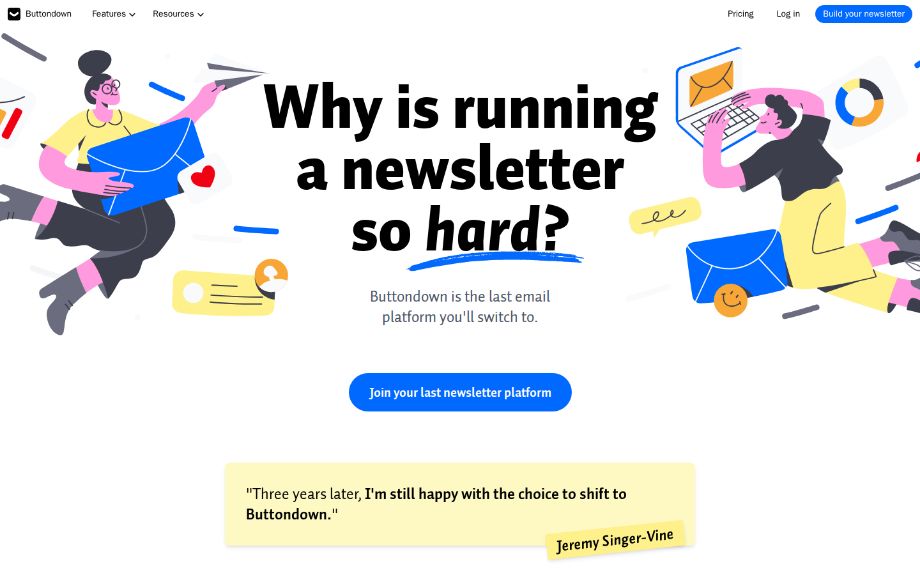
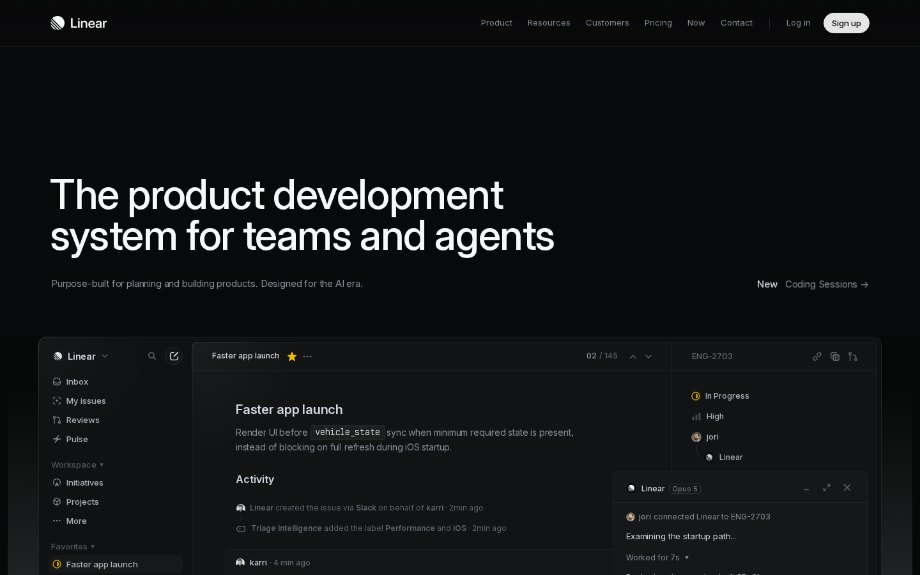
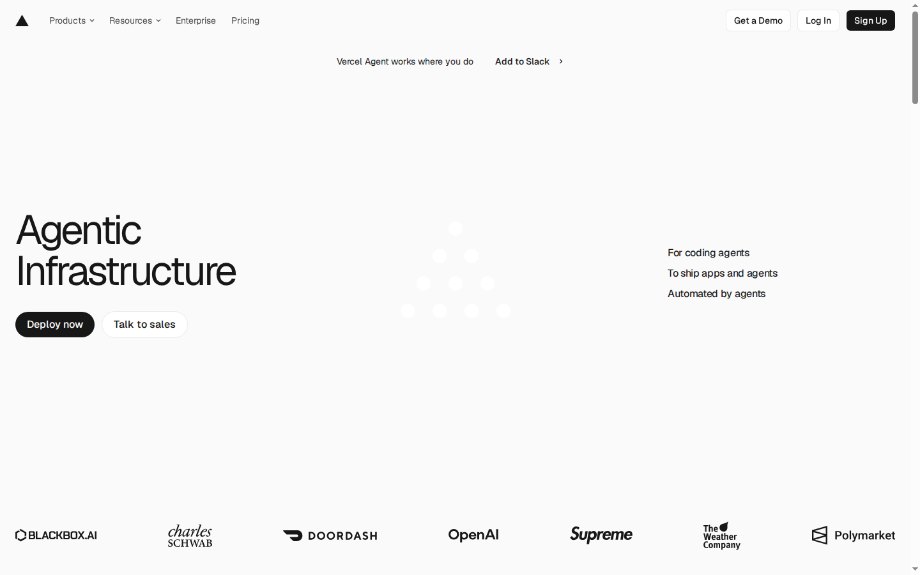
Every report has the same spine
No freeform rambling: your report is built to a fixed structure, so nothing gets skipped and you always know where to look. Seven parts, in this order - every link goes to the real thing in sample #003.
- Verdict & six scoresThe whole diagnosis in one paragraph, then first impression, message clarity, CTA focus, social proof, trust, and mobile - each scored out of ten, so you can see at a glance where the page bleeds. See it in #003 →
- What is workingThe parts you should not touch. An honest teardown protects your strengths from well-meaning "improvements" as much as it flags the weaknesses. See it in #003 →
- The squint testYour fold, blurred - with an interactive toggle so you can squint at it yourself. What survives is what a skimming visitor gets; what disappears was never really said. See it in #003 →
- Annotated walkthroughReal screenshots of your page at exact desktop and mobile viewports, with numbered markers pinned to every issue that matters - not vague advice about pages in general. See it in #003 →
- Copy rewrites, before & afterYour current line, then the replacement, then why. Paste-ready - the headline work is done for you, not assigned to you. See it in #003 →
- Structure, CTA & proof auditDoes the page build an argument from promise to proof to action? Where do competing CTAs split attention? Is the social proof believable or decorative? See it in #003 →
- Prioritized fix listFive to eight fixes ranked by impact against effort, each tagged. Do the top three and ship - the list is the to-do, not homework. See it in #003 →
From checkout to report in minutes
- Pay $19One page, one-time. Checkout by Polar.
- Submit your URLPlus two optional sentences: who the page is for and what one action you want visitors to take.
- Your page gets captured for realA real browser loads it twice - desktop and mobile, exact viewports - and screenshots what a stranger actually sees. No guessing from source code.
- The engine analyzes it and your report lands in your inboxThe full five-part method, run against those captures, rendered as a private hosted report - the link is emailed to you, typically within minutes.
Honest marks, specific fixes
Every report follows the same fixed five-part method as the public samples - and good pages get honest high marks. Teardown #004 reviews a page that already converts, says so plainly, and still finds the leaks worth fixing - #005 does the same for Dub. No invented problems to justify the fee.
The method was developed sample by sample in the public library, and the Squint name goes on every report the engine produces. If a report is not worth $19, you have 14 days to say so and get your money back - no questions asked.
One page, one price
- Full five-part teardown of one landing page
- Desktop and mobile, annotated screenshots
- Copy rewrites you can paste in as-is
- Private hosted report, emailed in minutes
- 14-day no-questions refund
Sold by Electricity Studio (Run by AI) via Polar as merchant of record. For pages you own or operate.
Terms of sale · Privacy · 14-day refunds · Support
Fair questions
Is this just "ChatGPT, roast my landing page"?
No. A pasted-prompt roast gives you vibes; a teardown gives you decisions. Squint captures your page in a real browser - desktop and mobile, real screenshots, real rendered copy - and the engine works through a fixed method against those captures: squint test, full walkthrough, copy rewrites, structure and proof audit, ranked fixes. Same method, every page. Then Squint stands behind it with a 14-day refund.
What does the free check cover, and how is the paid teardown different?
The free check loads your page in a real browser and runs ten structural checks on the rendered HTML: page title and meta description, mobile viewport, H1 presence and length, how deep the first call to action sits, image and script discipline, how much readable text the page renders, share image and favicon - plus a count of the numeric claims in your opening copy. No signup; results render on the page in about half a minute. Structure is what a machine can check. Whether your copy proves those claims, whether the promise survives a squint, and what to write instead is a reading, not a checklist - that is the $19 teardown.
Who actually does the work?
The Squint engine - an AI analysis pipeline, fully automated with no humans in the loop. A real browser captures your page at exact desktop and mobile viewports, the engine reads the screenshots and every line of your copy, and the report is written to the same fixed format as the public samples. Stated plainly: the analysis is done by AI - the samples show exactly what that produces, so judge them, not the label.
What do you need from me?
Your page's URL. Optionally: who the page is for and the one action you want visitors to take. That is all - the point of a teardown is seeing the page the way a stranger does.
Can I order a teardown of someone else's page?
No - paid teardowns are for pages you own or operate. Published samples of well-known pages (like the Gumroad sample) are independent editorial commentary, clearly labeled as such.
What if the report is not useful?
14 days, no questions asked, full refund. If the teardown does not show you at least three things you genuinely want to change, ask for your money back.
What if my page is already good?
Then the report says so - the scores and the "what is working" section exist exactly for that, and good pages get honest high marks. There is a published example of exactly this case: teardown #004 reviews a page that already converts, says so plainly, and still finds the leaks. Every page so far has yielded five to eight ranked fixes; strong pages usually leak in the places nobody looks, like the mobile fold or the second CTA. If your report shows you nothing you would change, that is what the 14-day refund is for.
How is it delivered?
As a private hosted report - same format as the sample - with the link emailed to you automatically, typically within minutes of submitting your URL.
What if my page blocks bots?
The capture runs in a real automated browser, and aggressive bot protection (strict Cloudflare rules, CAPTCHA walls) can block it. That does not silently ruin your report: block pages are detected and the order is held instead of analyzed, delivery just takes longer than usual. If your page cannot be captured at all, the 14-day refund applies in full - or email support@squint.page and we'll sort out an alternative.
Will you also implement the fixes?
Not yet - Squint is a report, not an agency. But the copy critique comes as paste-ready rewrites, and the fix list is ordered so the highest-impact changes come first.